From Half-Finished Demos To A Release-Ready EP And A Sound You Can Actually Describe — In 8 Weeks.
I'm the only producer you'll meet who coaches your voice while recording your vocal. That difference is worth 8 weeks of your life...
Have to ever considered you are not just making music for nothing? That you are making music so people feel something they've never allowed themselves to feel before?
You want them humming the melodies you wrote in your bed when you couldn’t sleep.
You want your songs to soak into their bones, wreck them in the best way, and stay with them forever.
You want that fan— your perfect fan, the one who is lost until they find your music at 3 AM one night and suddenly everything makes sense. The one who blasts your track in their car with their friends, screaming every word like it’s their own story. The one who shows up to your gigs, buys every piece of merch, and tells you:
”I was going to kill myself, but your music kept me alive."
That’s not some fairytale. That’s real. And it only happens when your music hits that deep spot most people only feel safe letting out when they're alone. But here’s the truth…
🚫 You’re not gonna get there just because you want it.
🚫 You’re not gonna get there by copying YouTube tutorials.
🚫 You’re not gonna get there just posting pop covers you shot on your iPhone.
If you’ve ever sat in your room, staring at your notes app or rhyme book, your DAW, your piano or your guitar wondering why your can never create like the artists you admire—this is where everything changes.
Meet Your Mentor
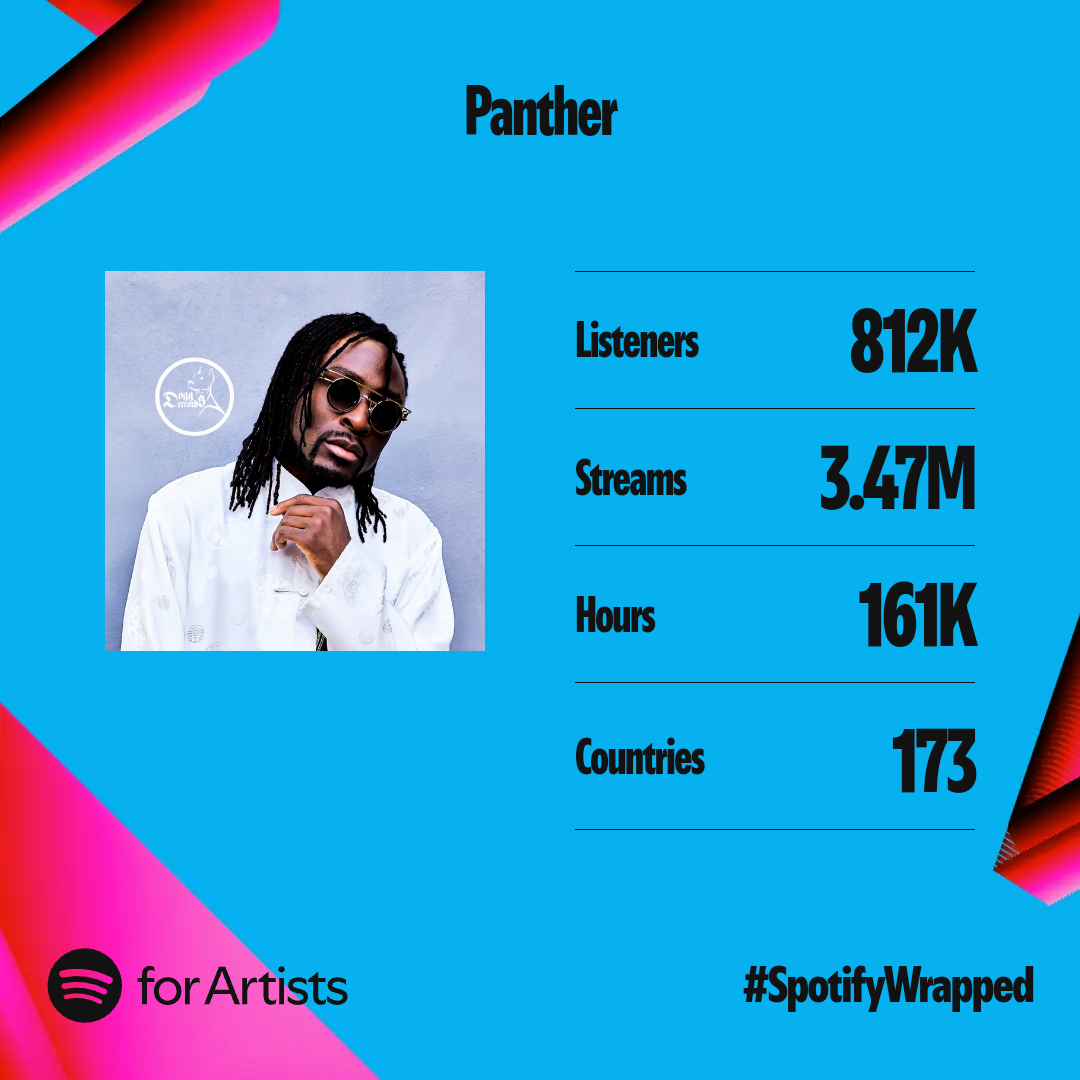
Hey, I’m Panther
I've been featured in John Wick 2, Fast & Furious: Hobbs & Shaw, NBA 2K. I've shared stages with Snoop Dogg, NLE Choppa, Freddie Gibbs, Xzibit, Onyx. I've turned down record deals more than once. I've built 250K followers on TikTok and 100K monthly listeners on Spotify from a bedroom. None of which matters to you. What matters is that those rooms taught me what works. Commercially, live, in front of people who don't care about your story until your song makes them care. That's the ear you're hiring. But here's what actually matters...
None of that happened by accident...
I didn’t just make music.
I learned how to make people care about my music.
If you’re serious—really serious—about breaking the glass ceiling, building an audience that lives and breathes your sound, and learning what cant be taught in any school… then let’s talk.
Why They Stopped Looking For Another Producer.
Real transformation only happens when trust is built and nurtured...
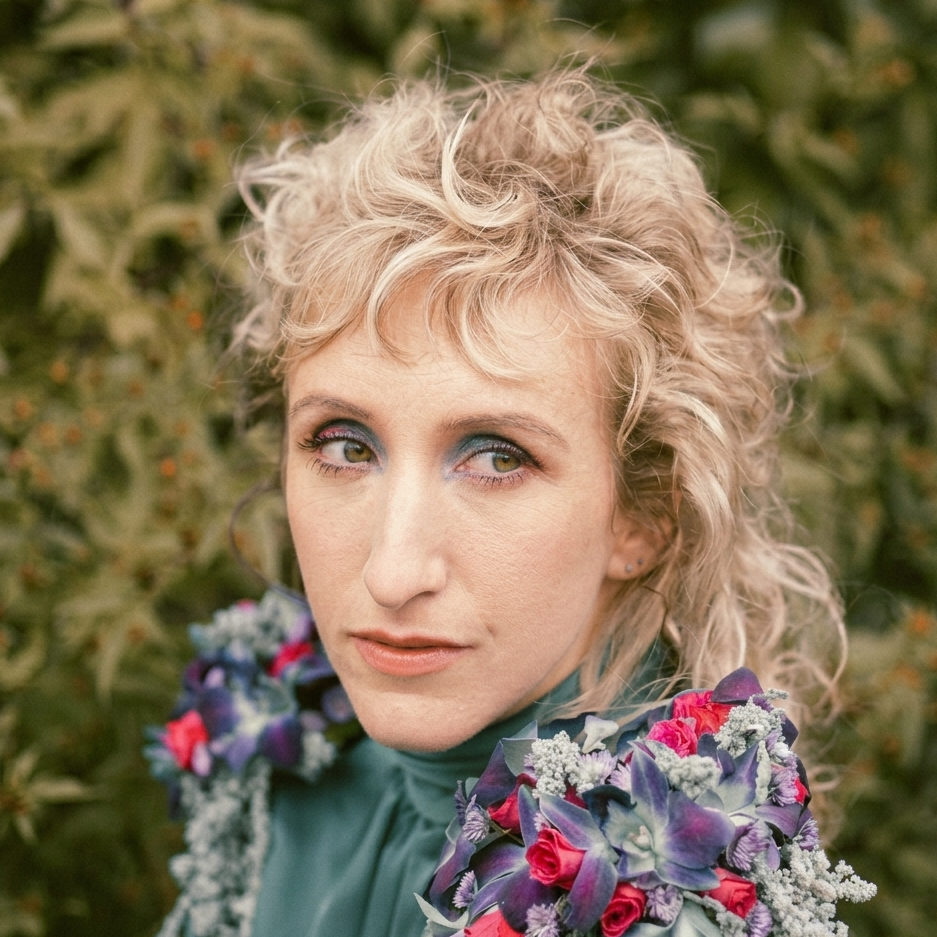
Dahlia came in with a voice she didn't trust. Before we touched a single track, I asked her who she was, what she wanted to say, what she was scared to say. Weeks into the sessions, she was singing in a way she'd never heard herself before then. Knowing what you're listening for is the whole job.
"Panther mentored me through the creation of my first EP. He sat with me and really got to know my story before we even looked at my music. When we were in our recording sessions, he directed my performance, and I sang in a way I'd never heard come out of me. I felt like I was flying."
— Dahlia
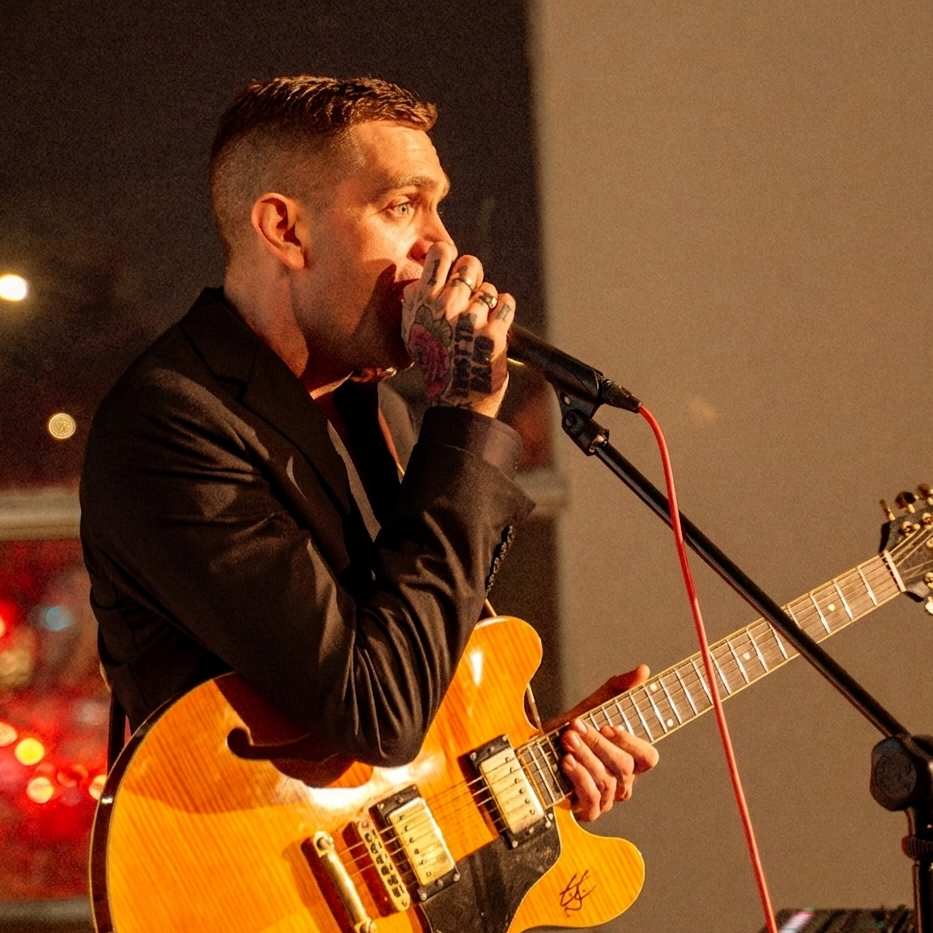
Colin already knew the creation process was personal. What he didn't know was what it felt like to work with someone who treated it that way. We found the core elements of his songs, the things that made them his own, and built everything around them instead of burying them. He walked away grateful for the experience of being heard correctly.
"The creation process is so close to home, so personal. Having that high trust relationship and the producer's ability to target the core elements of my song and emphasize them is exactly what I saw when working with Panther, and I am grateful to have experienced it for myself."
— Colin Campbell, Trust The Band
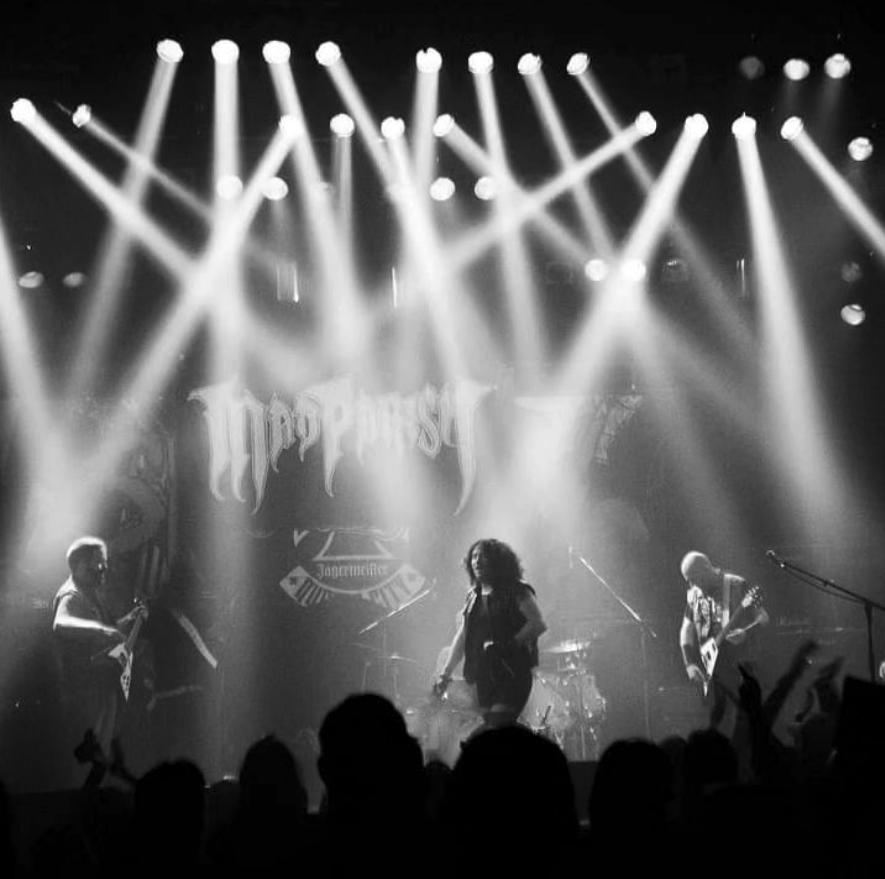
Early in the process, Josh brought me his concerns about the record. He wasn't sure it was going to become what he needed it to be. I assured him that the result was the goal, not just the product being complete, but being aligned.
"When Panther and I started working together and I addressed concerns that I had about my record, he told me no matter what happens, when we finish working together, you are going to have the album you want. I'll never forget that."
— Josh McConnell, Mad Parish
What Actually Happens In The Room...Eight weeks. Three phases. One methodology. This is The Infinite Creativity Method...
...the system I built from ten years of working with artists who came in with songs and left as artists.
Phase 1 — The Artist Identity Blueprint
You've sat across from a producer who didn't bother to ask you what kind of music you actually listen to before they start moving things on your song. They don't ask what the song was about. He don't even ask who you wrote it for. They pulled up their preset folder and start playing their ideas at you, and treat your taste like it's something that needs to be corrected. Then you leave that session with a song that sounds like their other clients. You're left wondering if you were difficult or just invisible. You leave telling yourself maybe they were right, maybe you don't know what you're talking about. The whole time, the song you actually came in with was sitting in your heart, never getting made.
The Artist Identity Blueprint is the work most producers skip, it decides whether you sound like yourself for the rest of your career or whether you sound like whoever was in the room with you the week you recorded. Before we touch a microphone, we figure out who's making the record. The questions dig deep. By the time we're done, you have a document on paper that clearly speaks to who you are, what you have to say, and who you're saying it to. The next time someone in this industry tries to talk over you about your own work, you'll have something they can't argue with.
What you walk away with:
The Blueprint Document — A permanent identity reference built in deep discovery sessions. Who you are now and who you've been across time. What you're trying to say. Who you're saying it to. What to amplify. What to leave behind. The source document you bring into each era of your career.
The "Why" Songwriting Methodology — The framework I use to move from thought to image to lyric. The difference between writing a passing thought and writing a lyric. Emotional potency, energy arc, universe-building across a project.
The Infinite Creativity Foundation — The audiobook, PDF, and Hit Songwriting Masterclass. You get it in week one, before our first session. The reframe of what a creative life requires to burn hot.
By the end of Phase 1, the record hasn't been made yet. But the artist who's about to make it has.
Phase 2 — The Performance Method
You pay someone who calls themselves a vocal coach. You show up to the first session expecting to be taught something. They handed you a printed sheet of warm-ups they pulled off a YouTube video. They watch their phone while you ran through scales they barely corrected. Eight sessions, all the same. You walk out of the last one telling yourself you must be a bad student, because you couldn't see what you'd actually learned. And then there was the producer who pressed record, let you do your takes, told you they were great without listening, and rushed you out the door so the session could end on time. You went home and played it back. You knew the take wasn't right. You knew there was more in you. You also knew you'd never be in a room where anyone helped you find it.
The Performance Method is what happens when the person behind the glass also knows the instrument you're playing. Most producers can hear when a take is technically right. Almost none can hear when a take is the best one you have in you — and pull the one after that out anyway. This phase closes the gap between what comes out of you when you talk and what comes out of you when you sing. The first time it happens, you'll hear something come out of your own mouth that you didn't know was in there. You'll keep hearing it for the rest of your career.
What you walk away with:
Performance Direction At The Microphone — Real-time coaching during each recording session. Not after. During. Adjustments, redirections, edits as we go, so you build confidence while we work instead of after you listen back.
The Emotional Potency Technique — The shift from hearing notes to feeling them. The reason some vocalists don't sound forced and others do. The principle I use to extract performances from the artist who doesn't believe they're a singer to the seasoned professional artist.
Vocal Identity Development — The work of making your voice sound like you instead of the artist you've been imitating. The collapse of the speaking-singing gap. The arrival at the voice that's been there the whole time.
By the end of Phase 2, you stop being a vocalist who hopes the take is good. You become one who knows when it is, and one who's heard the version of themselves nobody else has been able to find.
Phase 3 — The Release-Ready Build
There's a folder on your laptop full of half-finished songs. The ones that are better than anything you've released. The project that's been two weeks away from done for two years. Maybe a file a producer sent you and then stopped responding to your messages. You open the folder some nights. You sit there with it open and you don't touch anything. You close the laptop. You tell yourself you'll come back to it. Tomorrow. Next week. And every month that goes by, the gap between who you are as an artist and what the world has heard from you gets a little wider. Not making a record at all does more damage than making a bad one.
The Release-Ready Build is where we turn the work into a body of work. Recording, engineering, mixing, mastering, all of it run by the same person who's been with you since the first session. No handoff to someone who never met you. No producer dropping the project at the rough mix and leaving you to figure out the rest. And when we're done, what you walk out with isn't a demo. It's five tracks built to the standard the industry actually uses, ready for the platforms you want to be on — and a folder on your laptop with finished work in it for the first time since you can remember.
What you walk away with:
Five Mixed and Mastered Tracks — Your finished EP, produced and engineered to a release-ready standard. Done.
Performance and A Cappella Versions — Each track delivered with a performance version (no lead vocal) for live shows and an a cappella version for remixes, features, and creative use.
Sync-Ready Stem Packages — Drums grouped, instruments grouped, bass grouped, vocals grouped. Each track delivered with the stems labels and sync platforms ask for, so you can earn from the work outside of here.
Industry Literacy Throughout — By the time we're done, you understand pre-production, engineering, mixing, and mastering well enough that no producer will take advantage of you again. The process protects you.
By the end of Phase 3, you stop being an artist with songs. You become one with a record and a folder on your laptop that's no longer a graveyard.
Read This Before You Apply. Then Decide.
You fill out a short application. It asks about where you are in your music, what you're trying to build, and what you're working with, including investment level. This program is a serious investment, in the thousands, not the hundreds. The application tells me whether you're prepared for that kind of commitment, and where you sit on the budget scale, so I can point you to the right program before we get on the phone. I personally read every application. I don't book a call with everyone who applies.